The future of software development in the age of AI
Writing code got cheap, and value is moving to what is still expensive: knowing what to build, verifying, providing context and answering for the result.
Writing code got cheap, and value is moving to what is still expensive: knowing what to build, verifying, providing context and answering for the result.

If the hammer got smarter, why would the carpenter's work stay the same? In software, AI drives more nails, but it doesn't build more tables by itself.

Resistance to digital transformation isn't a people problem. It's a living system defending itself. Four moves that help it stop defending.

Digital transformation plans often copy the org chart they were meant to change, and AI becomes just another box. The complex part needs another way to govern.
Autonomy and psychological safety have evidence; the bossless company doesn't. AI repeats the leap: a gain on one task doesn't prove the whole method.
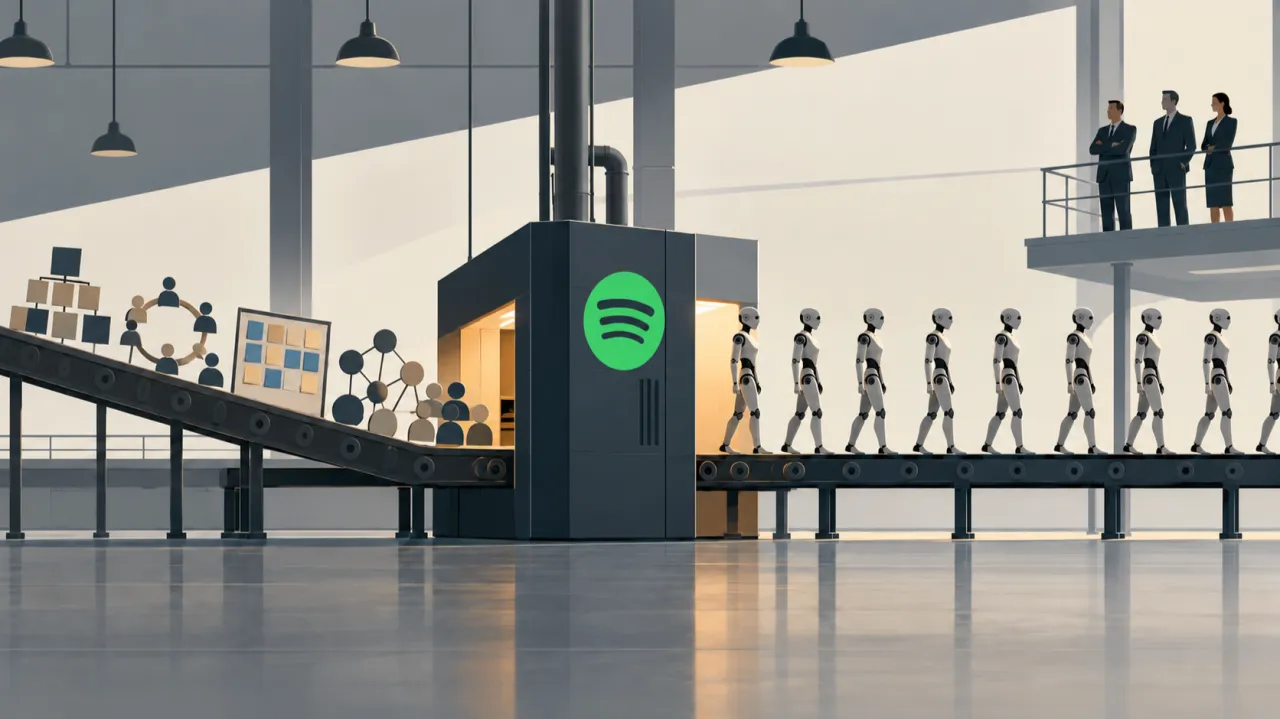
The Spotify model was copied worldwide, but not even Spotify used it that way. With AI, the cycle repeats: companies copy the case and forget the context.

Abolishing formal hierarchy doesn't abolish power, it makes it invisible. With AI, a manager's functions move to systems no one deliberately configured.
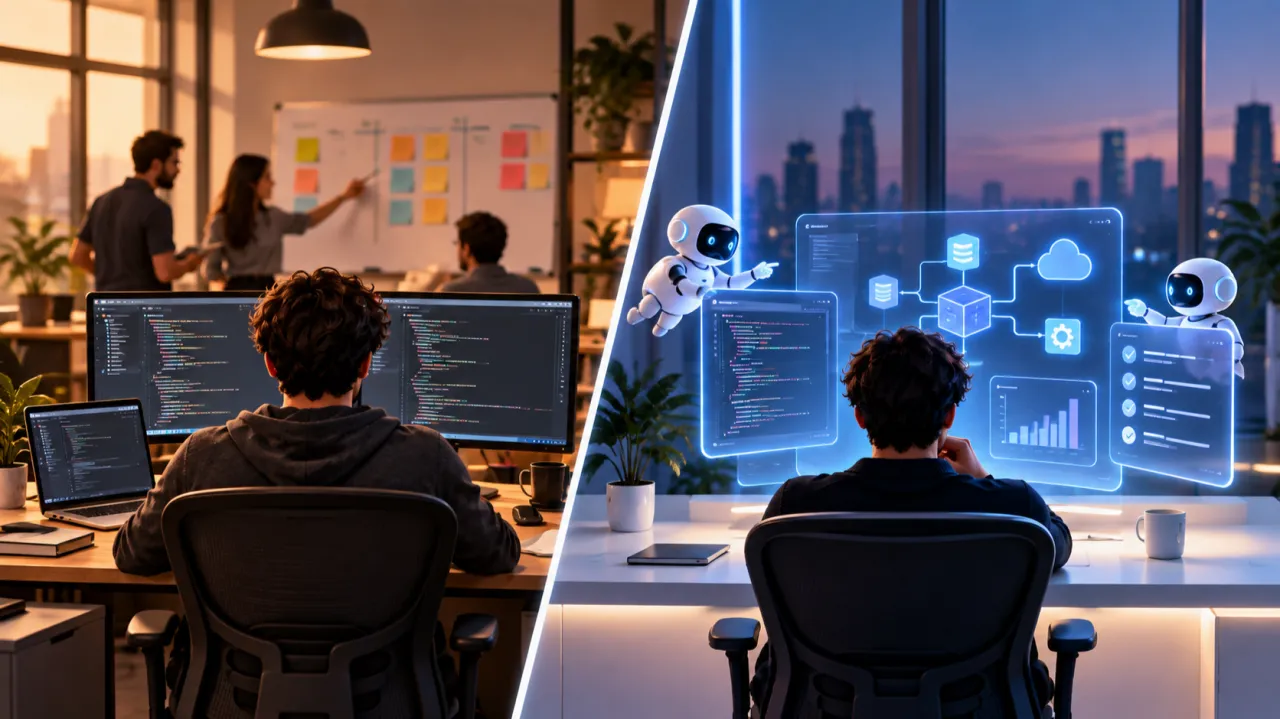
The same developer on two Tuesdays, in 2020 and in 2026: what left his hands, what took its place and what AI did not replace.
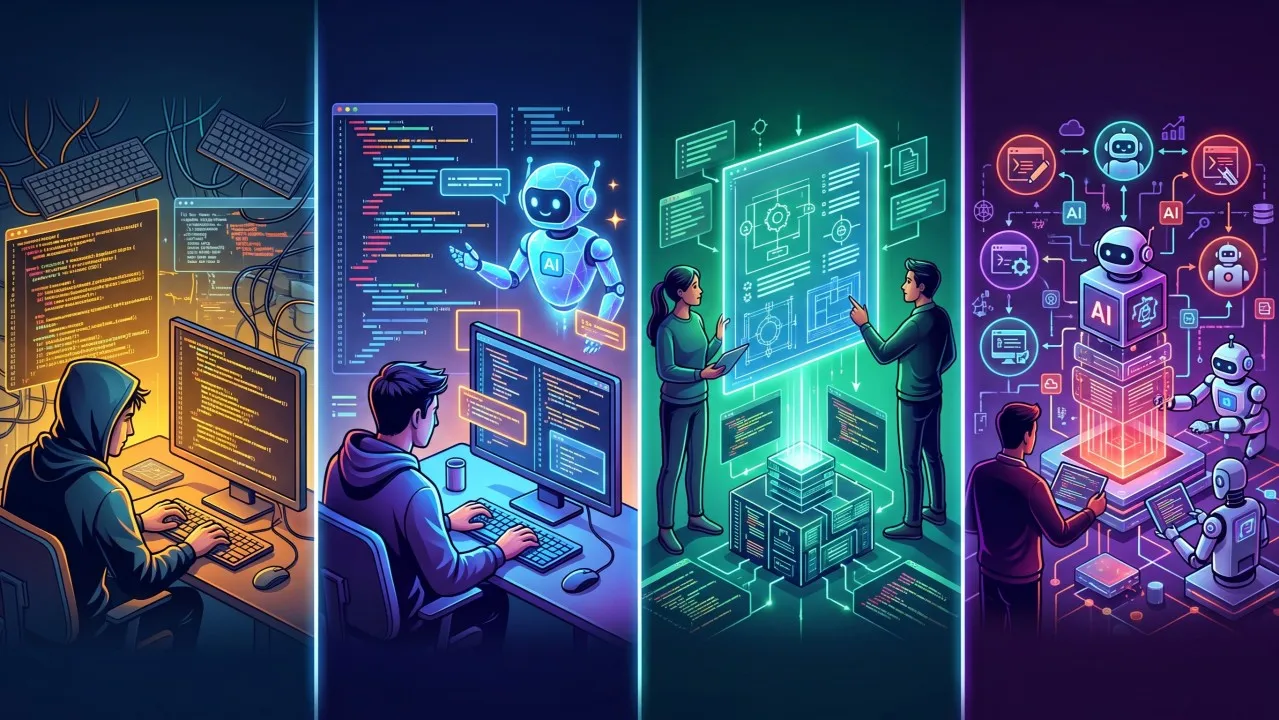
"Adopting AI" doesn't describe a way of working. Four modes, from no AI to agent orchestration, and how to choose the right one for each activity.

AI is taking over the "how" of work, not the "what". Its method helps when it carries knowledge the person lacks and hurts when it smothers their own.

AI expands what software developers can do, but quality still depends on experience, method and a harness built on context, tests and limits.

AI can cut layers and automate coordination, but it doesn't end the fight over status and the right to decide. It creates new currencies of power.
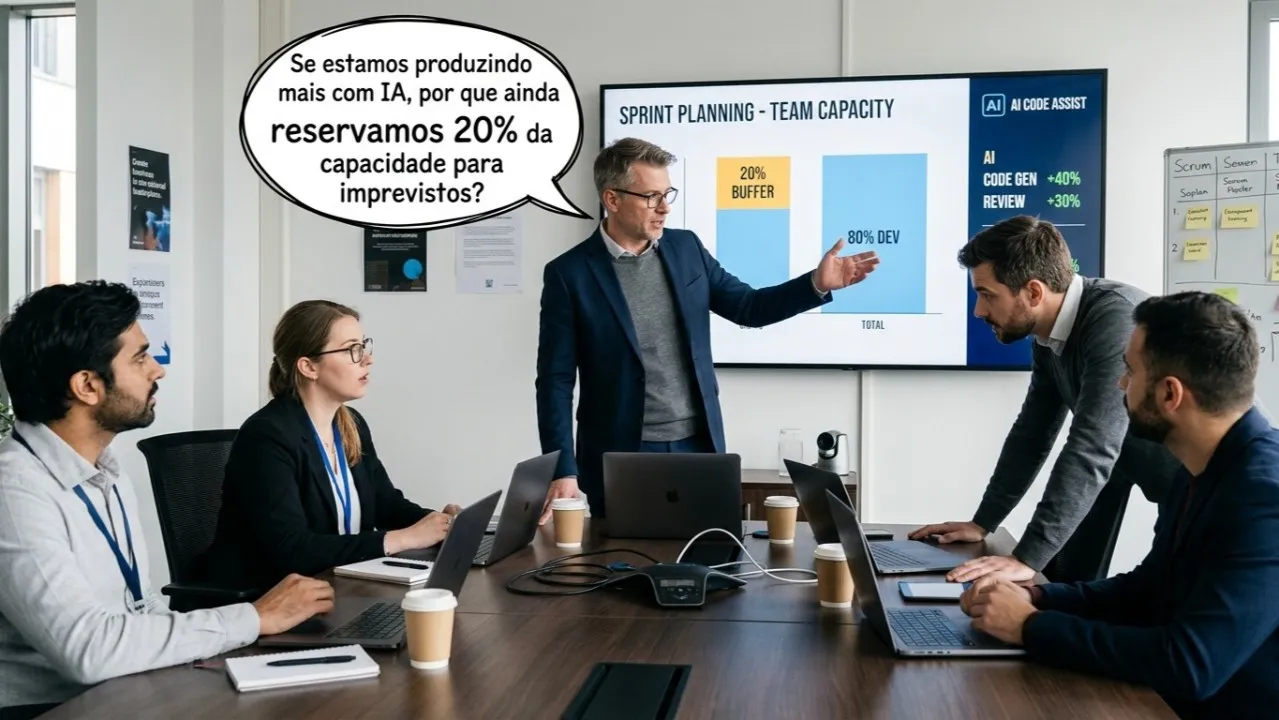
AI speeds up production, not the handling of the unexpected. Cutting slack based on that gain removes the margin an operation uses to absorb variability.
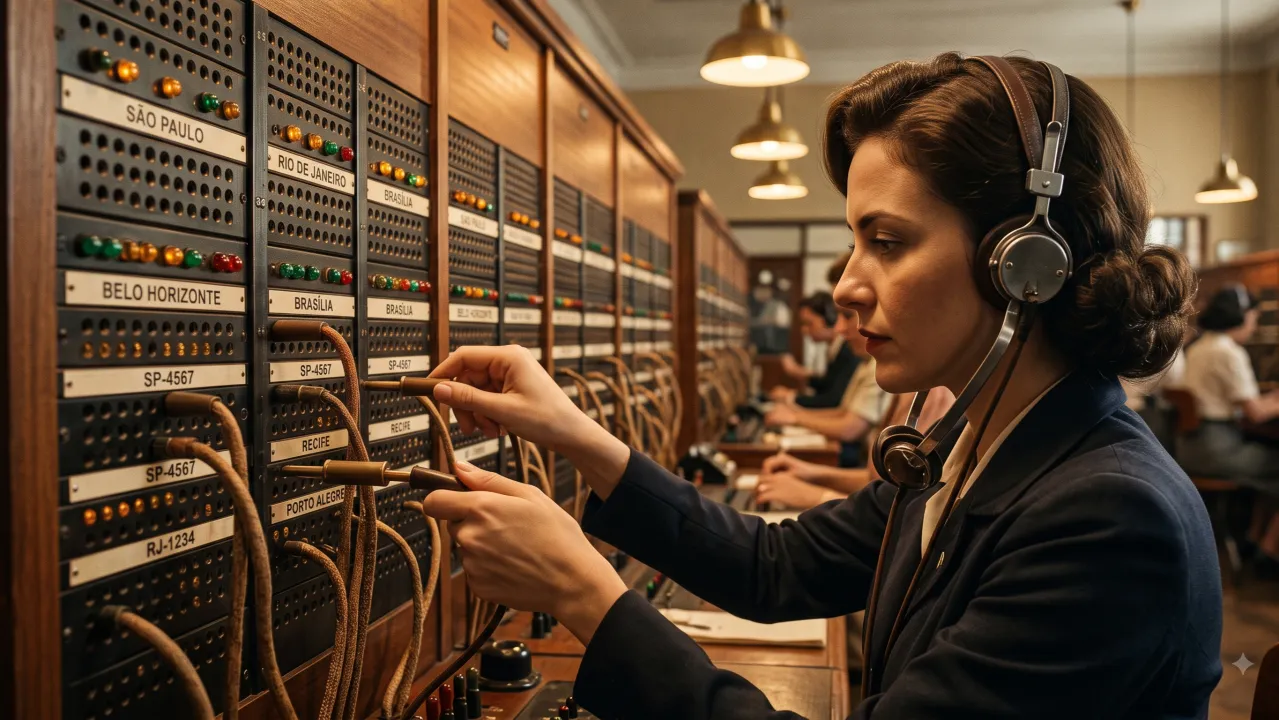
AI automates the part of management that only routes information, like the switchboard operator. Judgment that depends on unrecorded context is another matter.
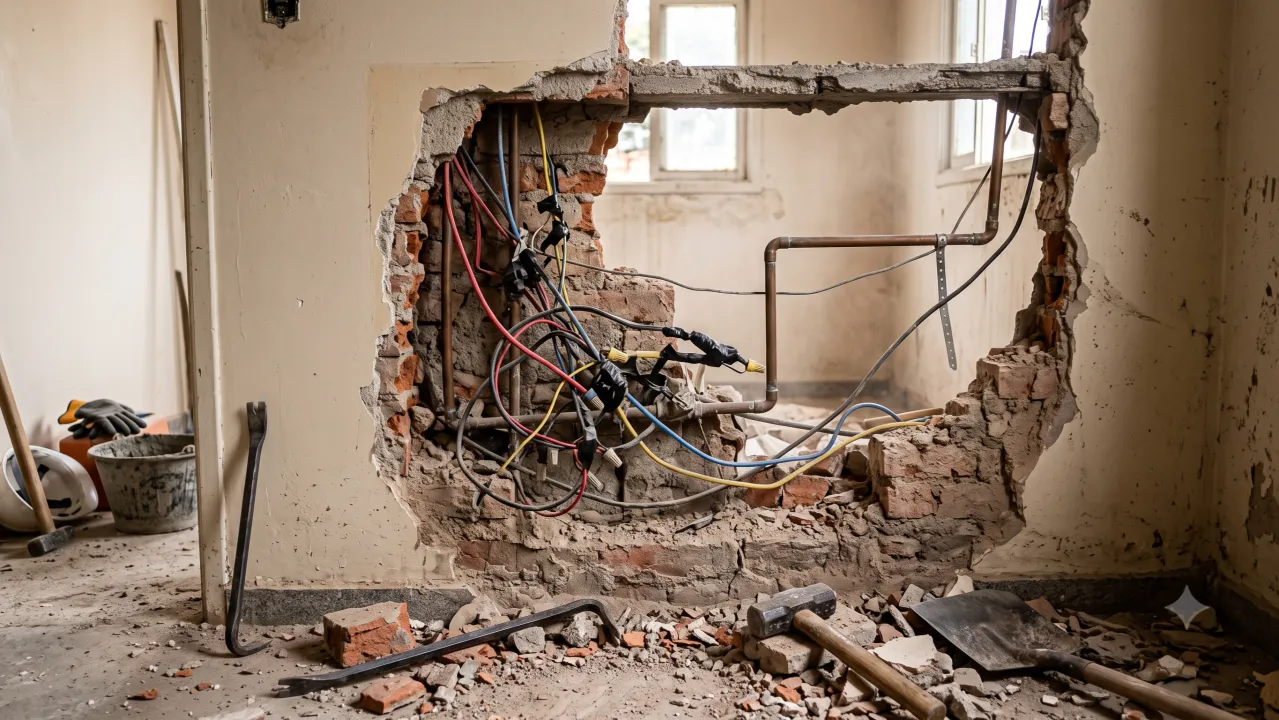
By automating processes, AI exposes the tacit rules, exceptions and shortcuts that kept operations going. The challenge is governance and organizational design.