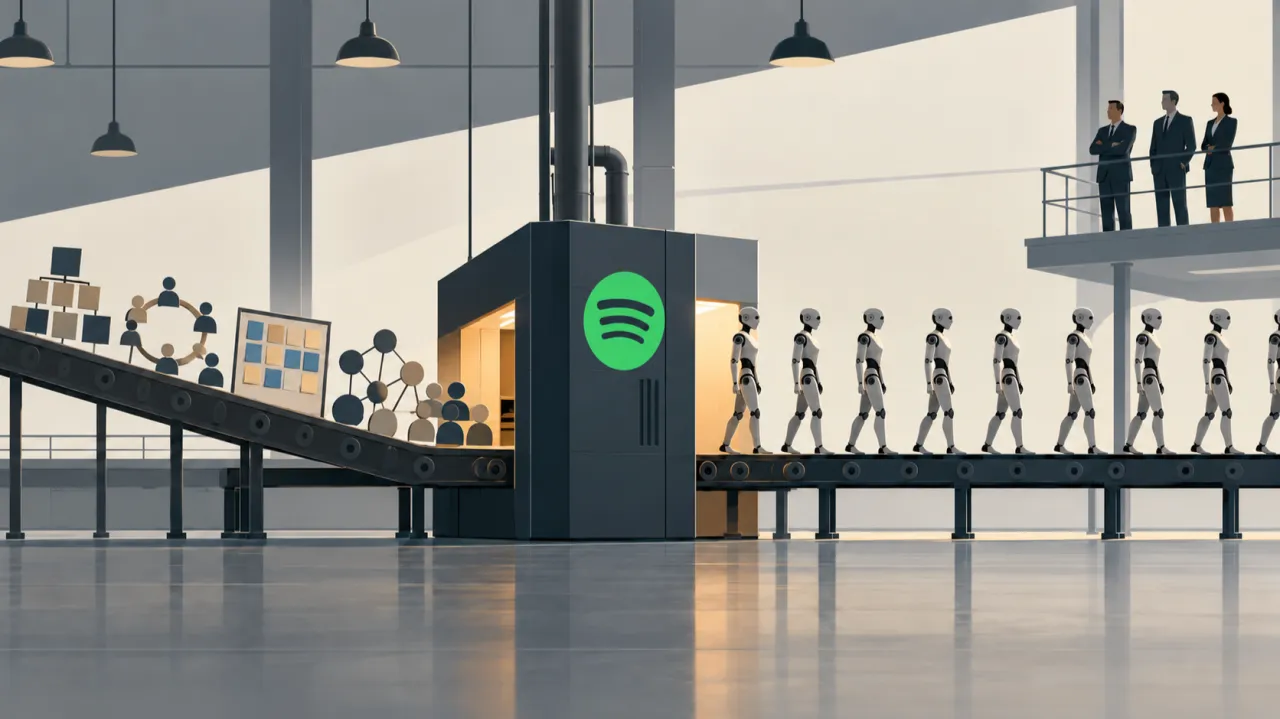
Your AI strategy is the new "Spotify model"
The Spotify model was copied worldwide, but not even Spotify used it that way. With AI, the cycle repeats: companies copy the case and forget the context.
The Spotify model was copied worldwide, but not even Spotify used it that way. With AI, the cycle repeats: companies copy the case and forget the context.

Abolishing formal hierarchy doesn't abolish power, it makes it invisible. With AI, a manager's functions move to systems no one deliberately configured.
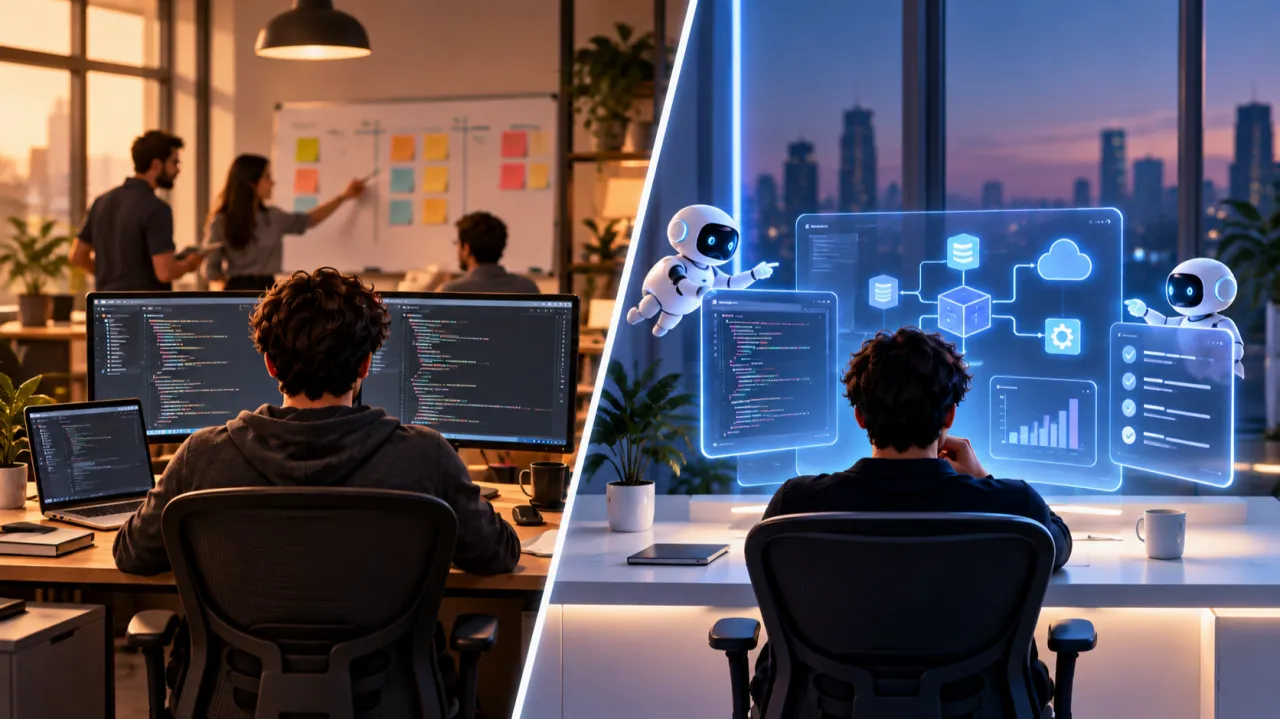
The same developer on two Tuesdays, in 2020 and in 2026: what left his hands, what took its place and what AI did not replace.
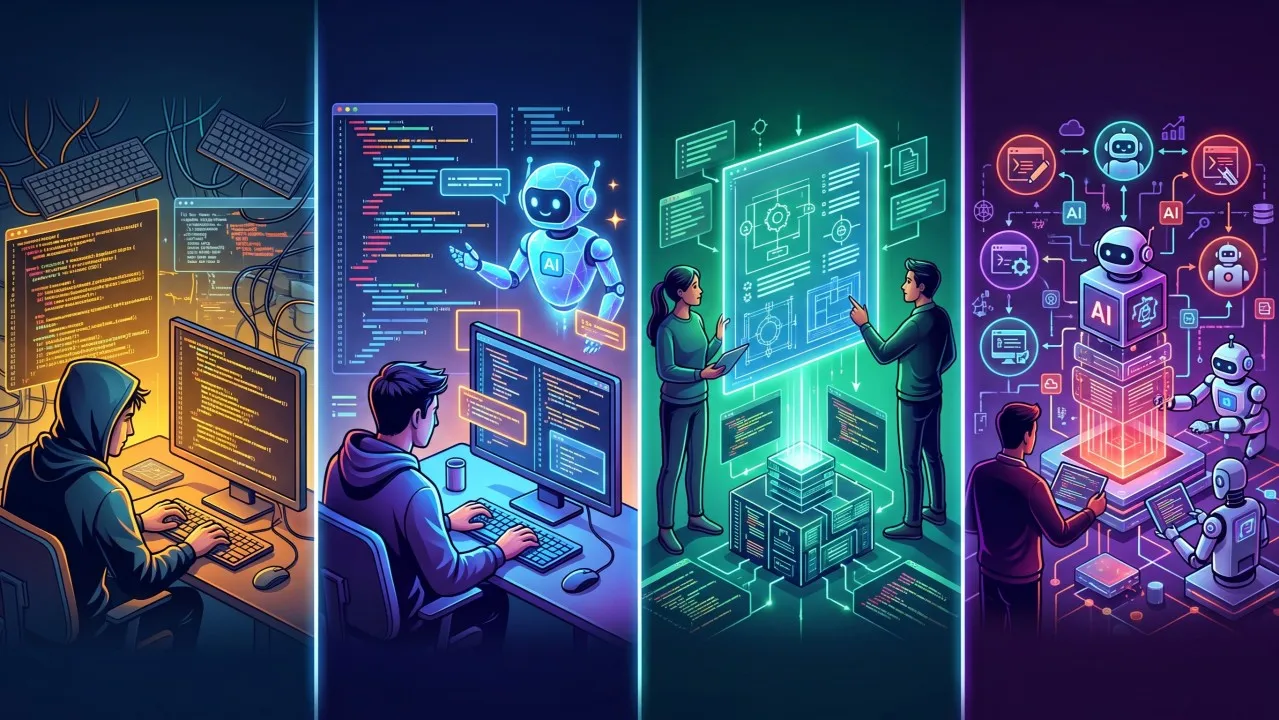
"Adopting AI" doesn't describe a way of working. Four modes, from no AI to agent orchestration, and how to choose the right one for each activity.
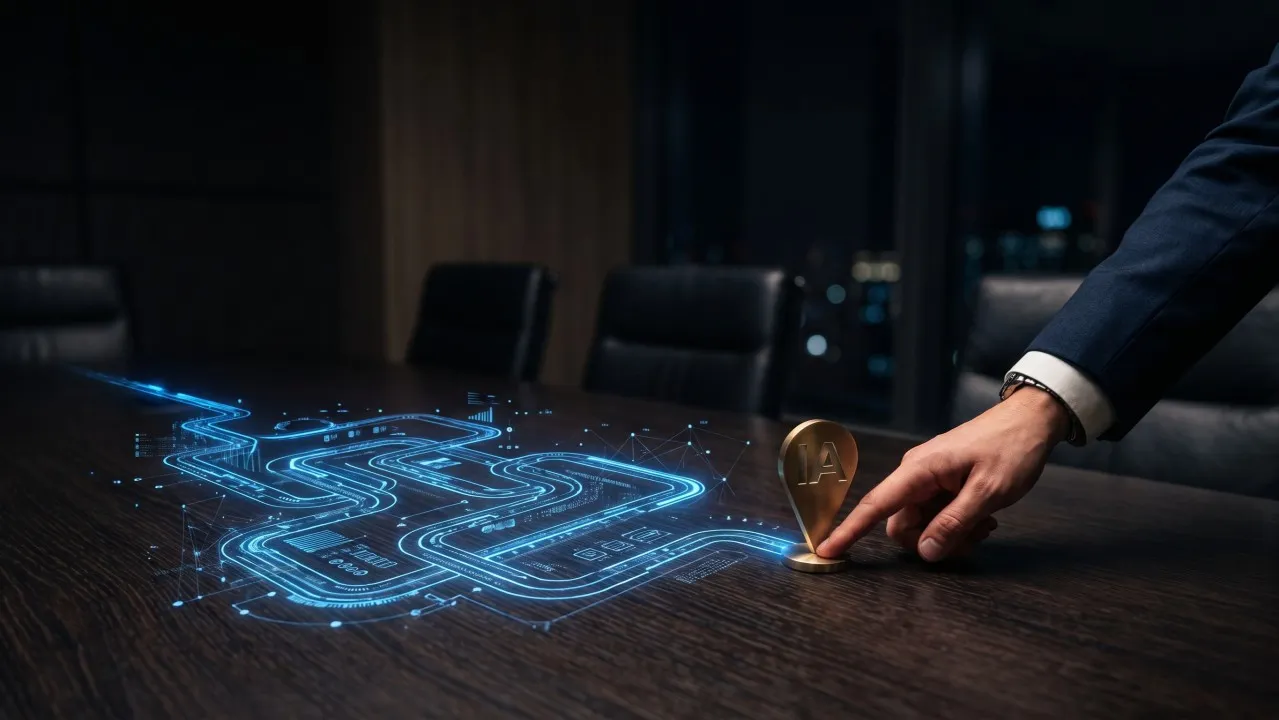
AI is taking over the "how" of work, not the "what". Its method helps when it carries knowledge the person lacks and hurts when it smothers their own.
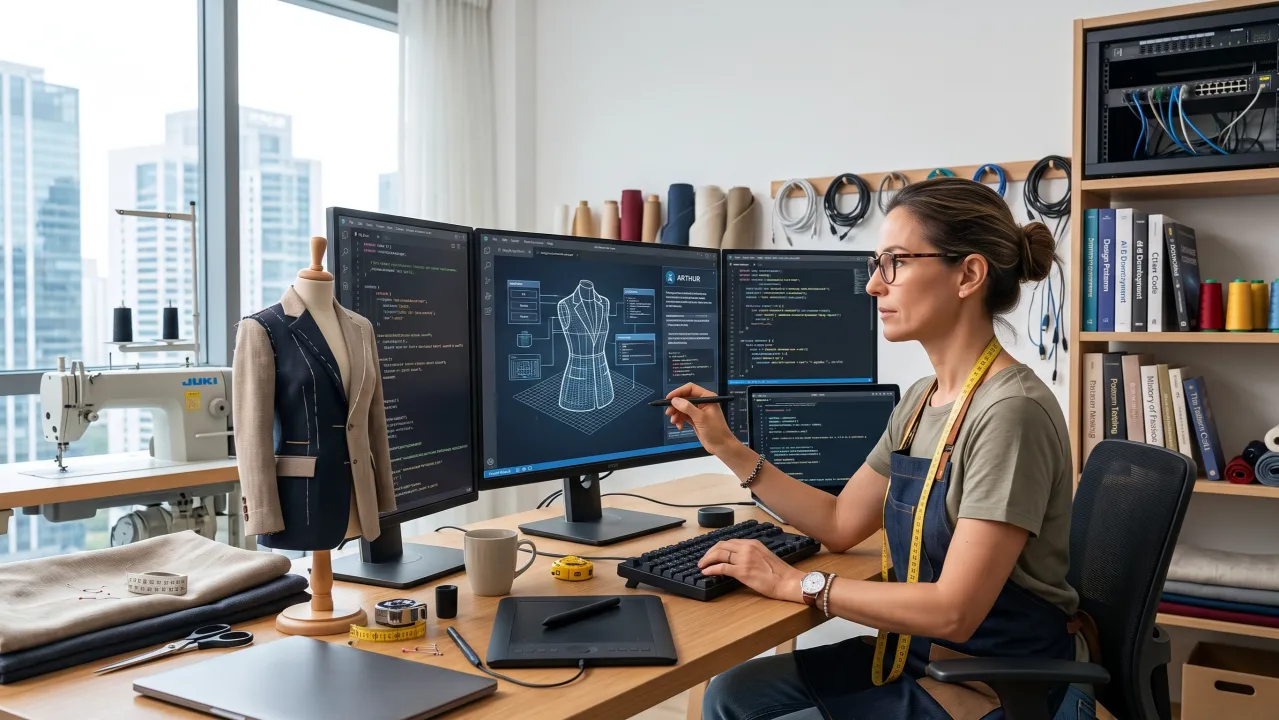
AI expands what software developers can do, but quality still depends on experience, method and a harness built on context, tests and limits.

AI can cut layers and automate coordination, but it doesn't end the fight over status and the right to decide. It creates new currencies of power.
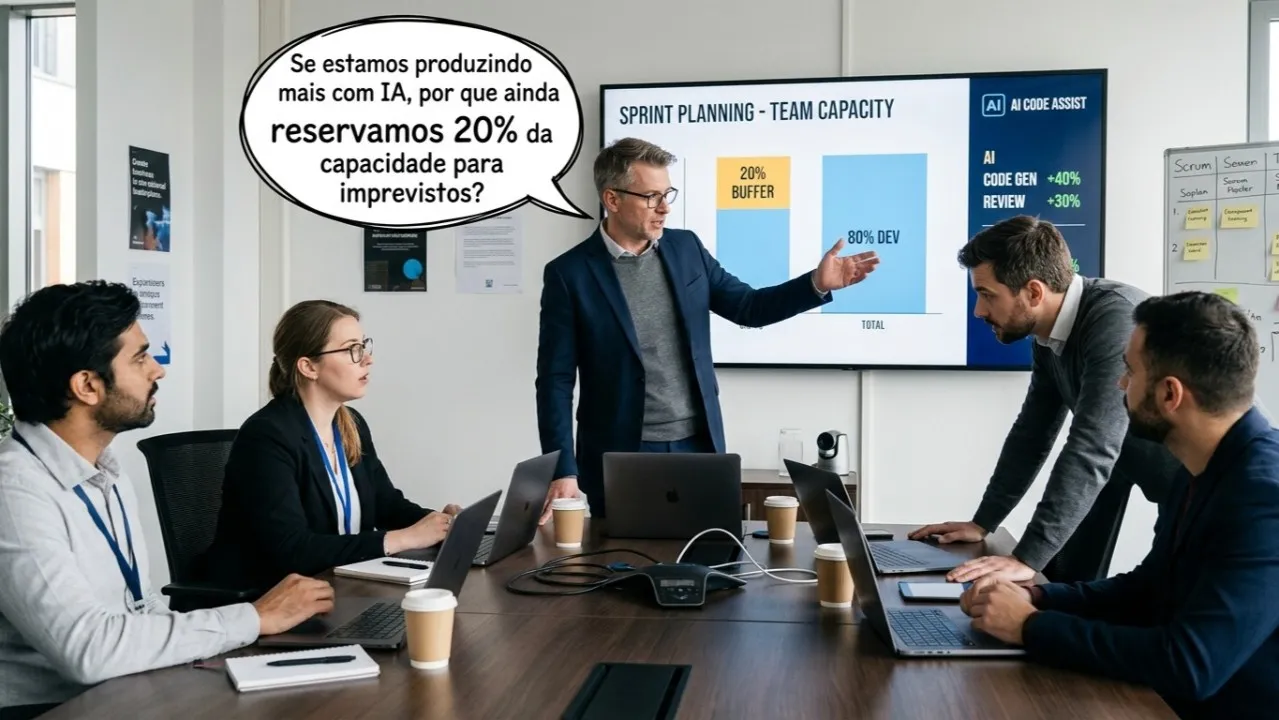
AI speeds up production, not the handling of the unexpected. Cutting slack based on that gain removes the margin an operation uses to absorb variability.
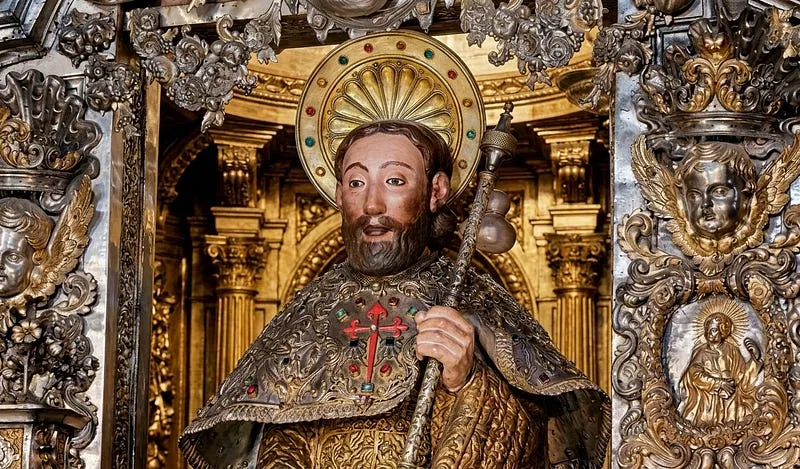
The scallop shell, the star, the stone boat and Queen Lupa: the legend of Saint James is a Christian story told over far older layers of the Iberian Peninsula.
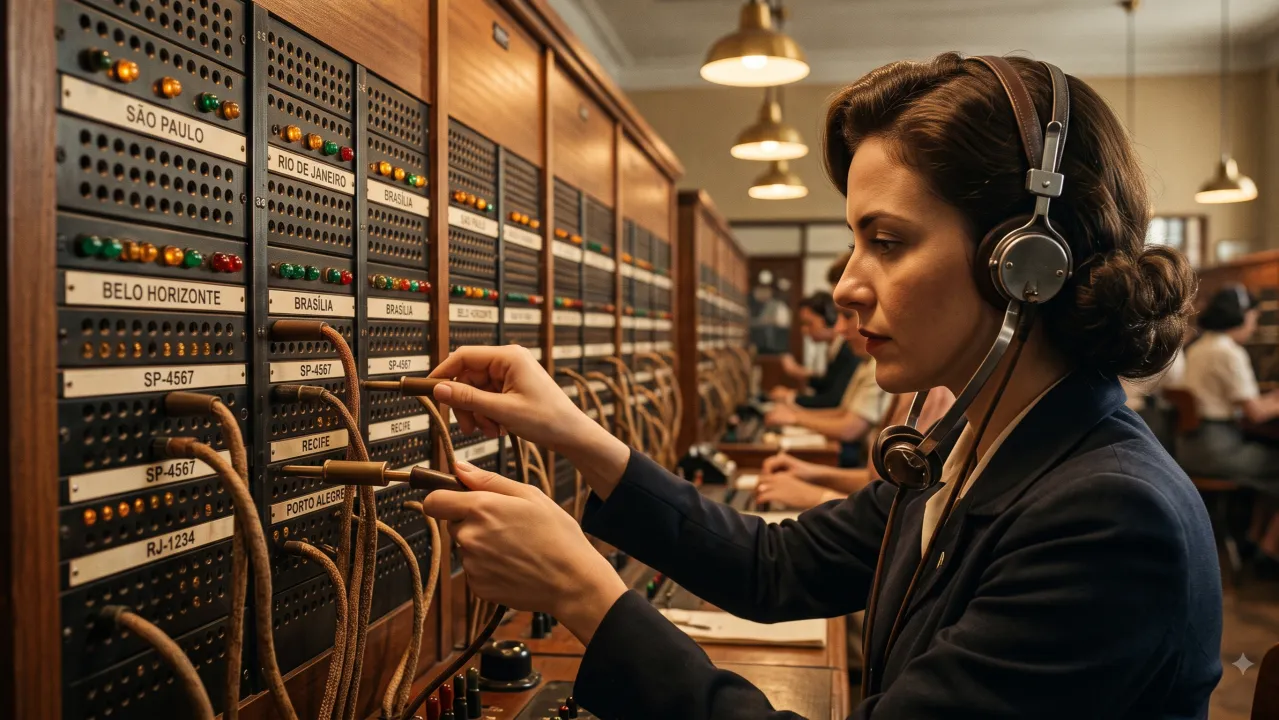
AI automates the part of management that only routes information, like the switchboard operator. Judgment that depends on unrecorded context is another matter.
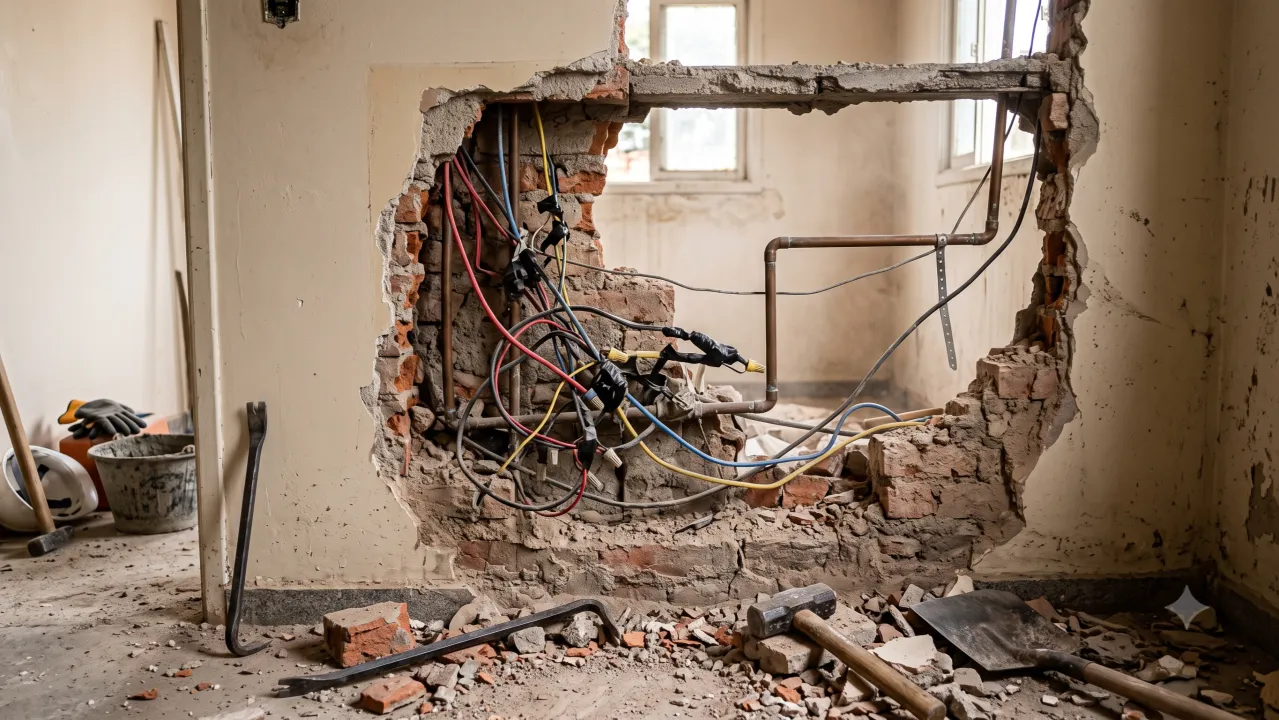
By automating processes, AI exposes the tacit rules, exceptions and shortcuts that kept operations going. The challenge is governance and organizational design.

Before the French Way existed, an initiatory route of builders already crossed the Pyrenees. I rebuilt its path from the clues left by Louis Charpentier.
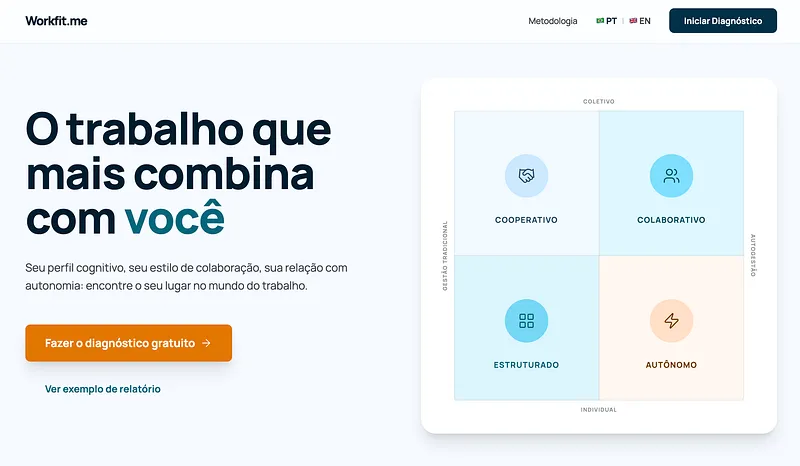
WorkFit.me turns the Cognitive Coherence and P-O Fit model into a 36-item test that identifies your Place of Potential and generates practical recommendations.

Standardized onboarding assumes everyone learns and integrates the same way. Cognitive Coherence proposes four integration models matched to each profile.

Management still treats people as interchangeable, a legacy of Taylor. Cognitive diversity calls for the reverse: workplaces built for different minds.

The P-O Fit Matrix turns the four Cognitive Coherence indices into 16 Places of Potential: relationships between person and context, not personality types.
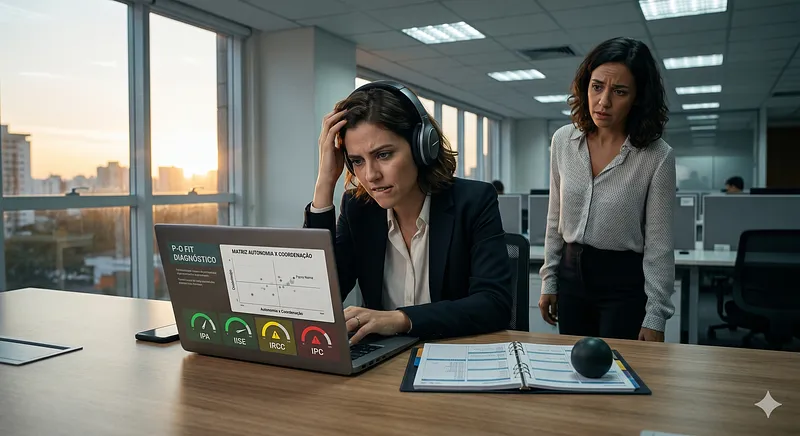
Four indices make Cognitive Coherence measurable: two place a person on the P-O Fit Matrix and two qualify how robustly they sustain that position.

Groups and teams call for different modes of coordination. The interdependence of teams levies a tax that weighs more heavily on some profiles than on others.

Cognitive Coherence is the fit between how a person thinks, decides and acts and the power and communication architecture of the organization.

Low performance is not always an individual problem: competent people struggle in environments at odds with how they think, decide and coordinate their work.
Results, recognition and challenges of the Ateliê de Software Way: autonomy and transparency drive engagement, but people and clients must adapt.
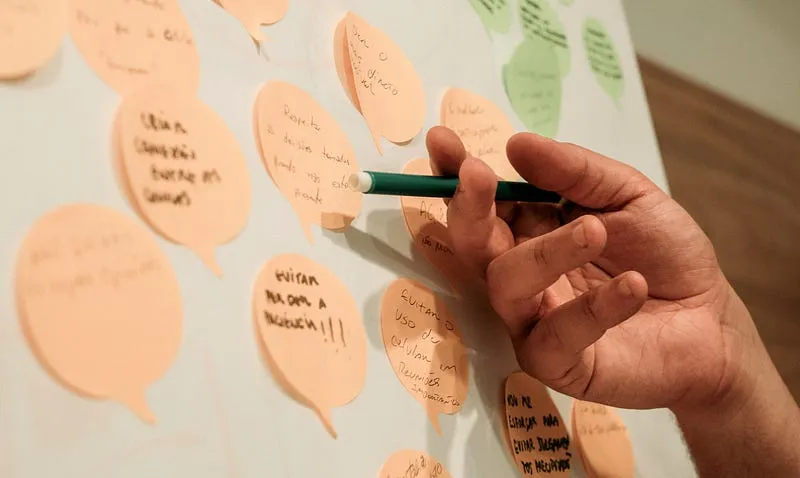
The structure and management practices at Ateliê de Software: autonomous networked teams, emergent leadership, decentralized decisions and transparency.
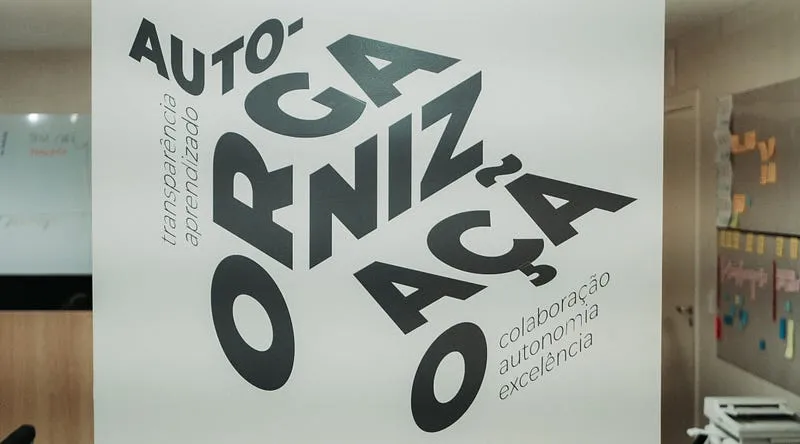
The six values, four premises and nine principles that form the essence of the management style at Ateliê de Software and guide its decisions.
The Ateliê de Software Way is a management style, not a model to copy: transparency, autonomy and collaboration, inspired by Semco, BetaCodex, Teal and Agile.

From Scrum to Kanban, by way of XP, Lean Inception and UX: the story of Ateliê de Software shows that agility means continuously learning and adapting.

Reporting channels and training are only the starting point. How does your company's management model encourage or discourage harassment and discrimination?

Remote work changed our relationship with work. Autonomy depends on self-knowledge, which comes from experience, builds awareness and creates learning.

Adopting squads, Scrum or Kanban in HR is not enough if command and control stays intact. A truly agile HR bets on peer feedback, autonomy and transparency.
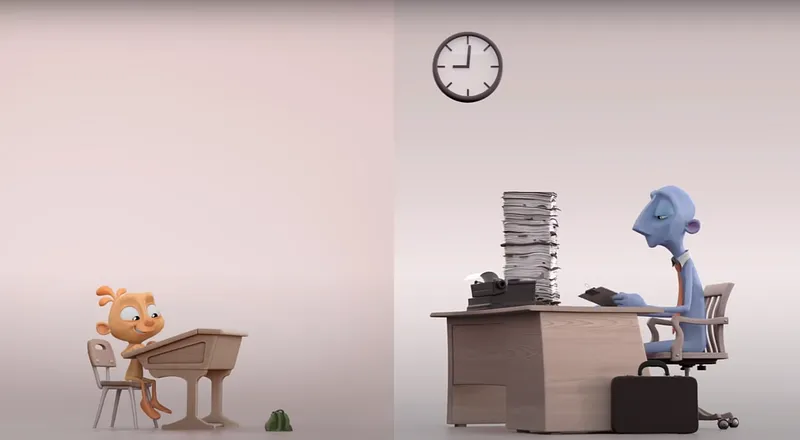
The pandemic exposed the limits of a school built for another era. More than technology, change demands rethinking the role of teachers, parents and students.
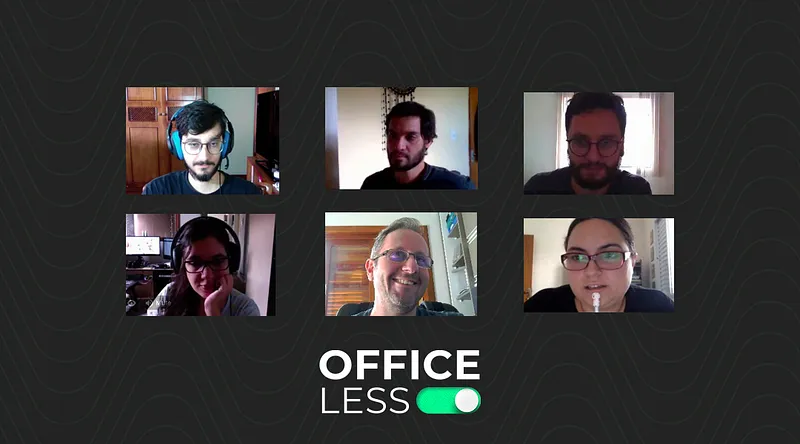
Remote work imposed by the quarantine can be the chance to swap supervision for trust and develop autonomy, collaboration and self-management in teams.

Heteronomy sustains command and control; autonomy requires self-knowledge, trust and transparency. How do we move past the power structures inside companies?
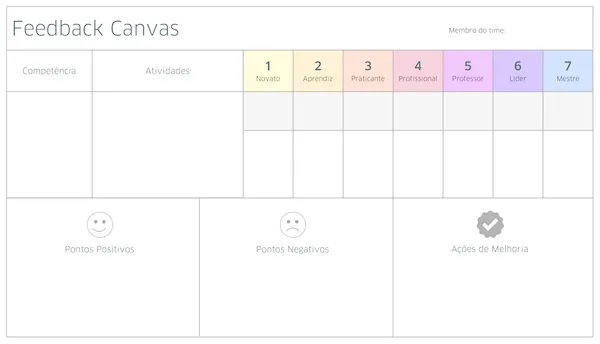
If performance is collective, does it make sense to evaluate each person in isolation? Why trade performance reviews for feedback cycles within the team.
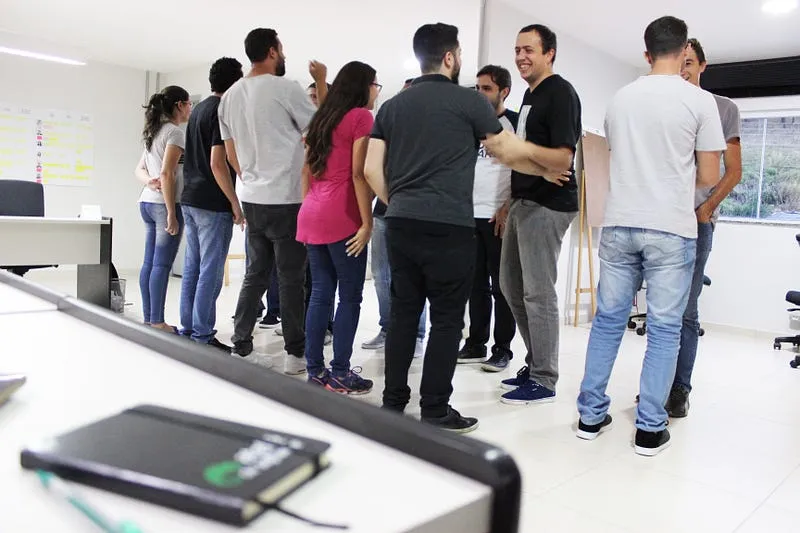
People and organization are not separate parts. A company is a complex adaptive system, built every day through the relationships between its agents.
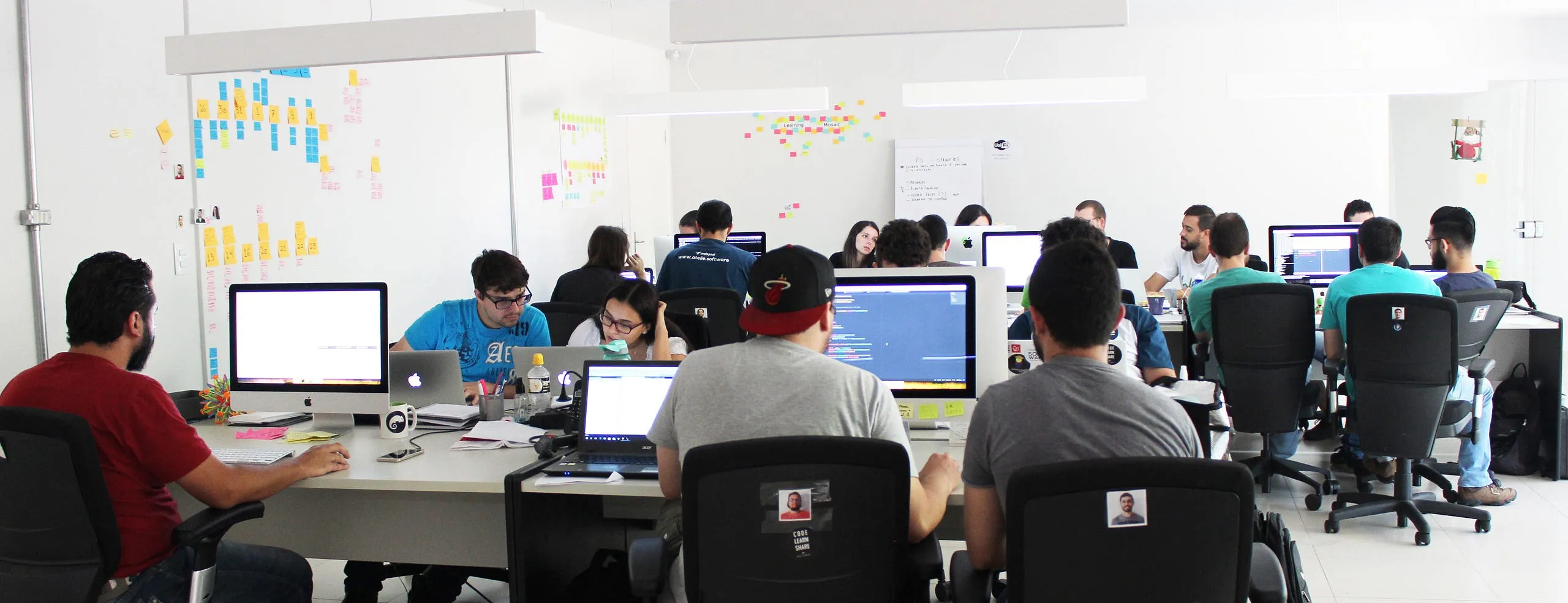
Without copying models, Webgoal built its own way of managing, with autonomy, collaboration and transparency. Every management style is a fingerprint.

Two interchanges with few accidents: one safe through fear, the other through design. Is management at your company driven by fear or by trust?

Traditional management seeks balance and efficiency as if the company were a machine. Complexity calls for imbalance in order to learn, innovate and adapt.

A pickup soccer game shows the difference between constraints that guide the system and rules created to control and punish people.

Getting rid of bosses or creating a new hierarchy is not enough. Knowledge work calls for autonomy, transparency, trust and situational leadership.