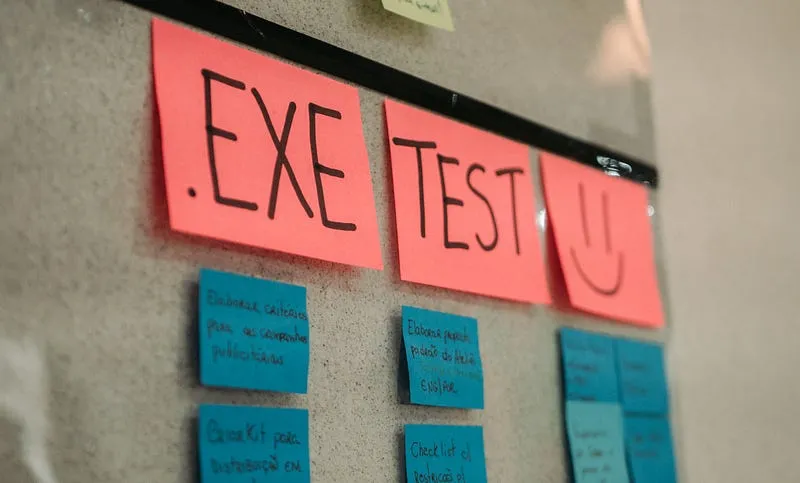
The management style at Ateliê de Software (part 4)
Results, recognition and challenges of the Ateliê de Software Way: autonomy and transparency drive engagement, but people and clients must adapt.
Results, recognition and challenges of the Ateliê de Software Way: autonomy and transparency drive engagement, but people and clients must adapt.
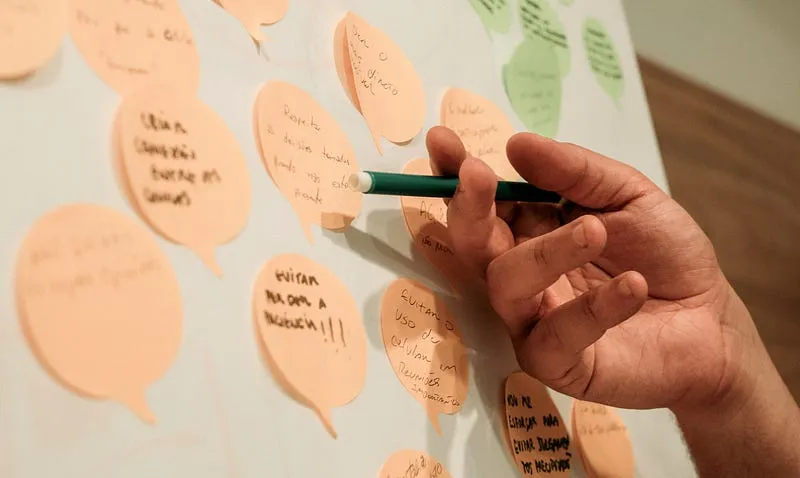
The structure and management practices at Ateliê de Software: autonomous networked teams, emergent leadership, decentralized decisions and transparency.
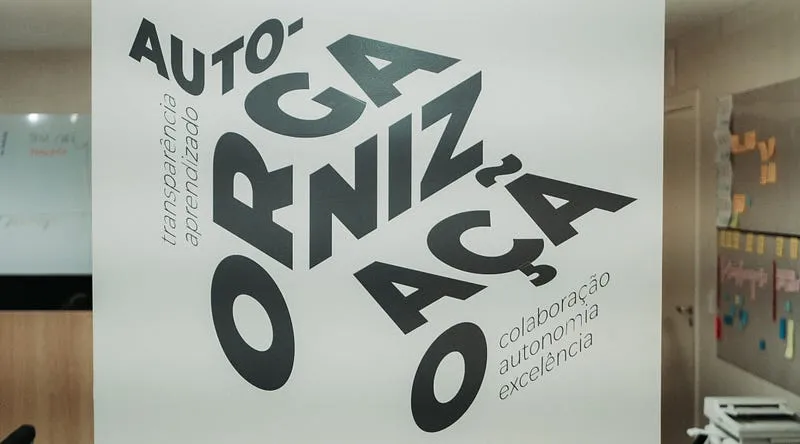
The six values, four premises and nine principles that form the essence of the management style at Ateliê de Software and guide its decisions.
The Ateliê de Software Way is a management style, not a model to copy: transparency, autonomy and collaboration, inspired by Semco, BetaCodex, Teal and Agile.

Reporting channels and training are only the starting point. How does your company's management model encourage or discourage harassment and discrimination?

Remote work changed our relationship with work. Autonomy depends on self-knowledge, which comes from experience, builds awareness and creates learning.

Adopting squads, Scrum or Kanban in HR is not enough if command and control stays intact. A truly agile HR bets on peer feedback, autonomy and transparency.
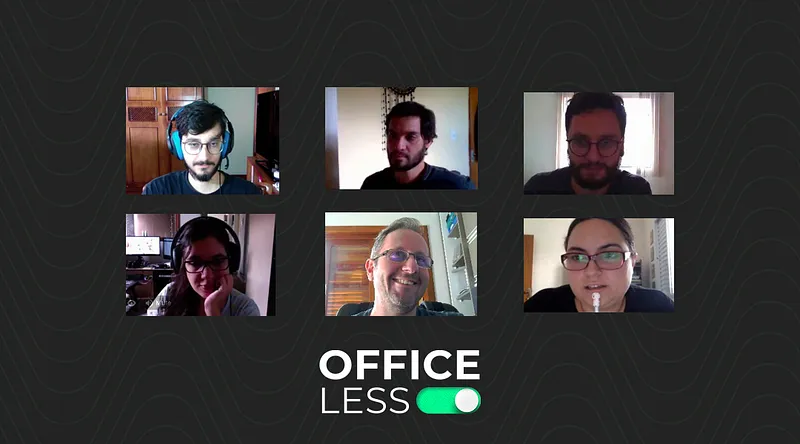
Remote work imposed by the quarantine can be the chance to swap supervision for trust and develop autonomy, collaboration and self-management in teams.

Heteronomy sustains command and control; autonomy requires self-knowledge, trust and transparency. How do we move past the power structures inside companies?
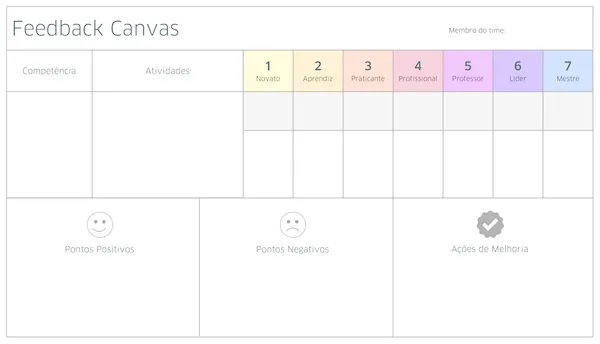
If performance is collective, does it make sense to evaluate each person in isolation? Why trade performance reviews for feedback cycles within the team.
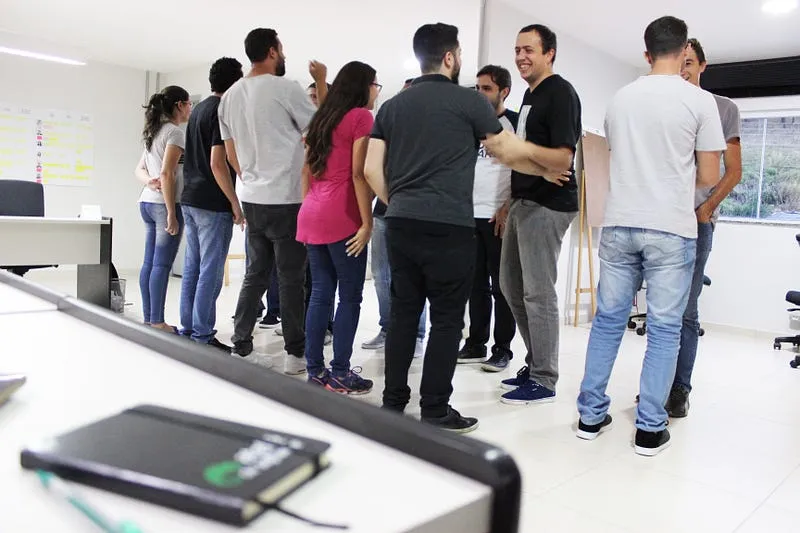
People and organization are not separate parts. A company is a complex adaptive system, built every day through the relationships between its agents.
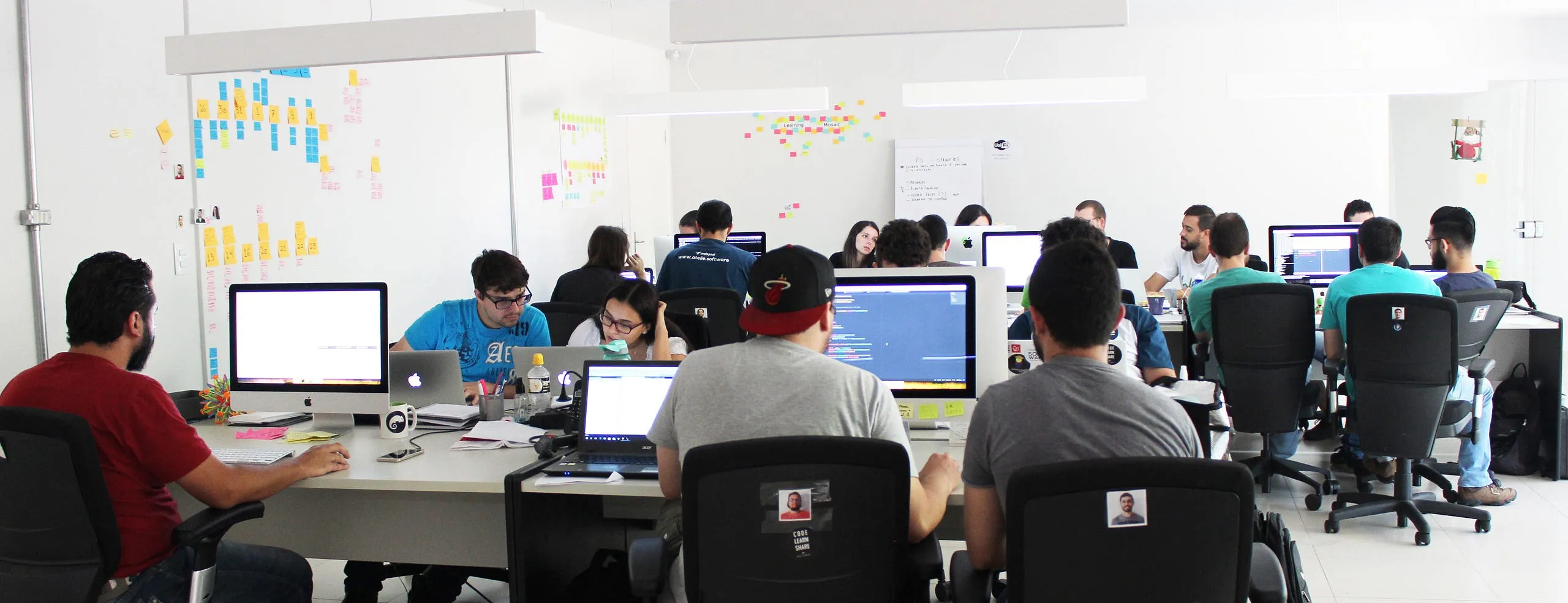
Without copying models, Webgoal built its own way of managing, with autonomy, collaboration and transparency. Every management style is a fingerprint.

Two interchanges with few accidents: one safe through fear, the other through design. Is management at your company driven by fear or by trust?

Traditional management seeks balance and efficiency as if the company were a machine. Complexity calls for imbalance in order to learn, innovate and adapt.

A pickup soccer game shows the difference between constraints that guide the system and rules created to control and punish people.

Getting rid of bosses or creating a new hierarchy is not enough. Knowledge work calls for autonomy, transparency, trust and situational leadership.